
-(6).jpeg?w=1001&h=1001)
.jpeg?w=1001&h=1001)
.jpeg?w=1001&h=1001)
.jpeg?w=1001&h=1001)
.jpeg?w=1001&h=1001)
-(1).jpeg?w=1001&h=1001)
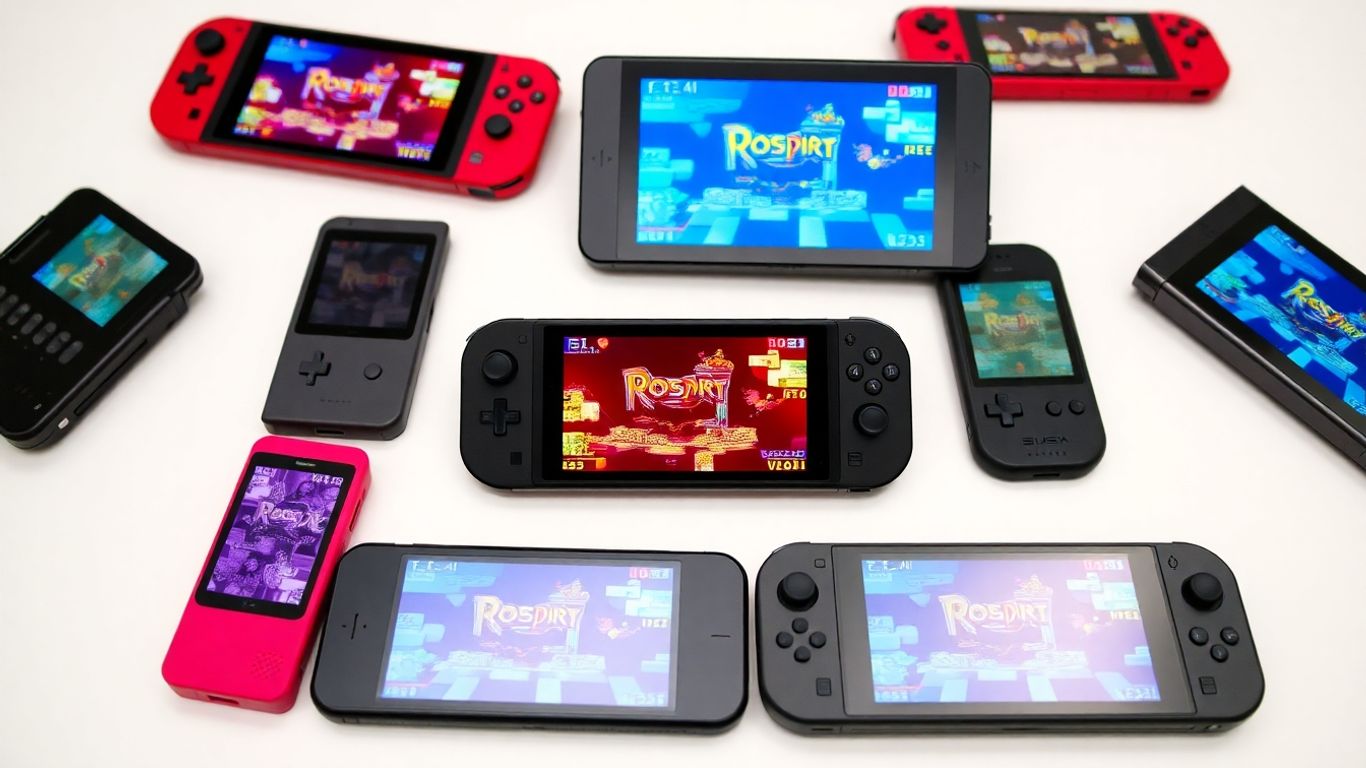
So, you're looking to get into retro gaming, huh? It's a pretty cool hobby, honestly. Lots of people are getting into playing older games again, and the best way to do that on the go is with a dedicated handheld. It's not just about nostalgia, though; some of these devices are seriously powerful and can play games from way back when, all in your pocket. With so many options out there now, it can be a bit much to figure out which retro handheld game console is the right one for you. I've checked out a bunch of them, and here are some of the top picks for 2025 that you might want to consider.
Key Takeaways
-
The Steam Deck OLED is a strong all-around choice, offering a great screen and a solid gaming experience for many types of games.
-
For those who love original cartridges, the Analogue Pocket is a fantastic option, especially for Game Boy fans.
-
Anbernic offers several smaller, more affordable retro handheld game console options like the RG35XXSP and RG28XX, perfect for classic gaming.
-
More powerful handheld PCs like the Ayn Odin 2 and Asus ROG Ally can handle emulation and modern PC games, but come at a higher price point.
-
Keep an eye on upcoming releases like the Nintendo Switch 2, which promises to build on the success of its predecessor.
1. Steam Deck OLED
Okay, so the Steam Deck OLED. Valve really took their original handheld PC and just… made it better. If you've got a big Steam library, this thing is pretty much a no-brainer. The big upgrade, obviously, is that OLED screen. It's bigger, brighter, and the colors just pop way more than the older LCD version. Plus, it's got a faster refresh rate, so games feel smoother.
It’s not just the screen, though. They tweaked the internals for better battery life, which is always a win. You’re looking at maybe three to twelve hours of playtime, depending on what you’re running. It also runs cooler and quieter, which is nice when you’re trying to get lost in a game.
Here’s a quick rundown of what makes it stand out:
-
Vivid OLED Display: Seriously, games look fantastic on this screen.
-
Improved Battery Life: Play longer without hunting for an outlet.
-
Smoother Performance: The 90Hz refresh rate makes a difference.
-
Ergonomic Design: It’s still a bit chunky, but it feels good in the hands.
Now, it's not perfect. It's still a PC in your hands, so sometimes you'll need to fiddle with settings to get games running just right, especially newer, demanding titles. And if you're trying to play games that have tricky anti-cheat software, you might run into issues. But for the most part, if you want a portable way to play a huge chunk of your PC games, the Steam Deck OLED is still the king.
While it's not the most powerful handheld PC out there, the Steam Deck OLED strikes a really good balance. It plays a ton of modern PC games, and Valve keeps updating the software to make it easier to use. Plus, it's surprisingly good at emulation if you're into that.
2. Analogue Pocket
If you're serious about playing original Game Boy cartridges, the Analogue Pocket is pretty much the gold standard. It takes the classic vertical form factor we all remember and gives it a serious modern upgrade. We're talking about a gorgeous, sharp 3.5-inch display that makes those old pixelated games look better than ever. It feels really solid in your hands, too; the build quality is top-notch.
What really sets the Pocket apart is its commitment to original hardware. It plays Game Boy, Game Boy Color, and Game Boy Advance cartridges directly, and the way it does it is pretty special. Analogue uses Field-Programmable Gate Arrays (FPGAs) to replicate the original systems at a hardware level. This means the games run with incredible accuracy and responsiveness, pretty much exactly how they were meant to be played. It’s a level of fidelity that software emulation often struggles to match.
While it's primarily designed for cartridges, the Analogue Pocket has become more versatile over time. Thanks to software updates and a dedicated community, you can now load ROMs from a microSD card, opening up support for systems like the SNES and Sega Genesis. It even has adapters available for other classic handhelds like the Game Gear and Neo Geo Pocket.
Here's a quick look at some of its specs:
-
Display: 3.5-inch LCD, 615 ppi, 400 x 240 resolution
-
Compatibility: Game Boy, Game Boy Color, Game Boy Advance cartridges (adapters for others)
-
Connectivity: USB-C, microSD slot
-
Battery Life: 6-10 hours
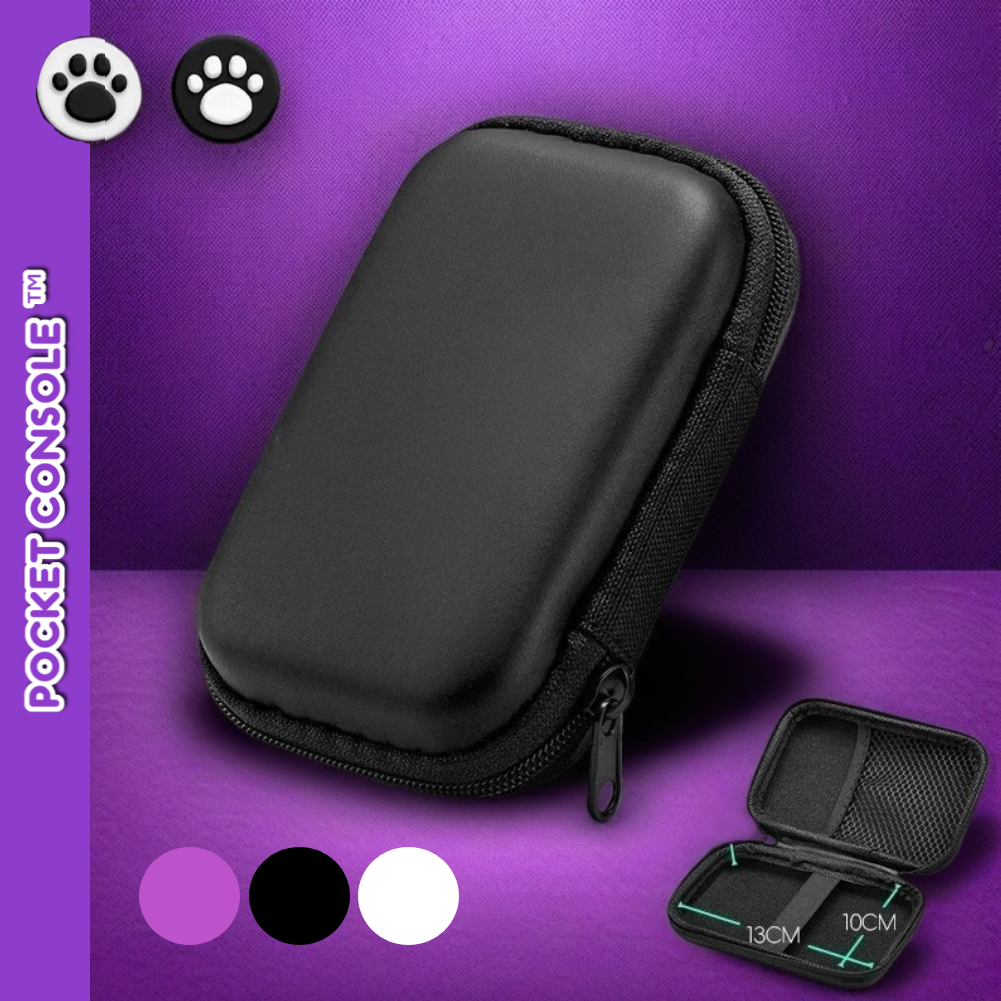
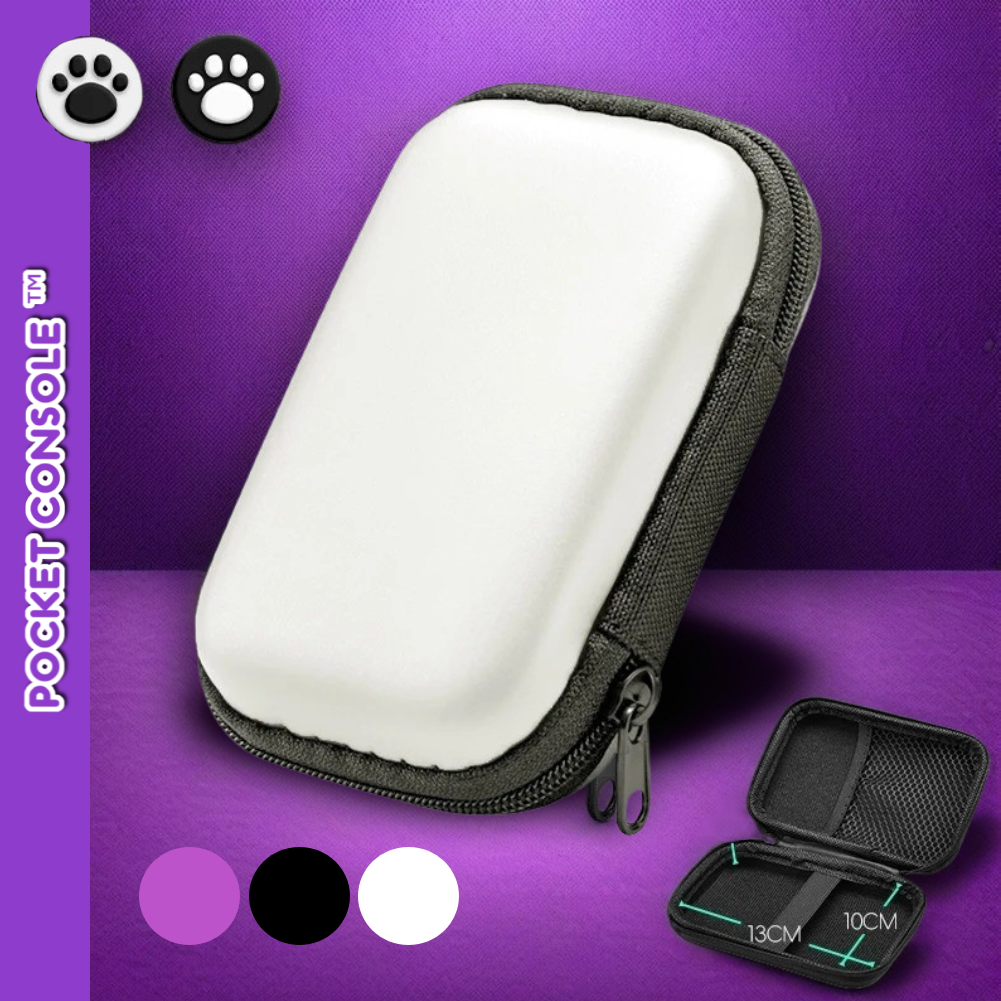
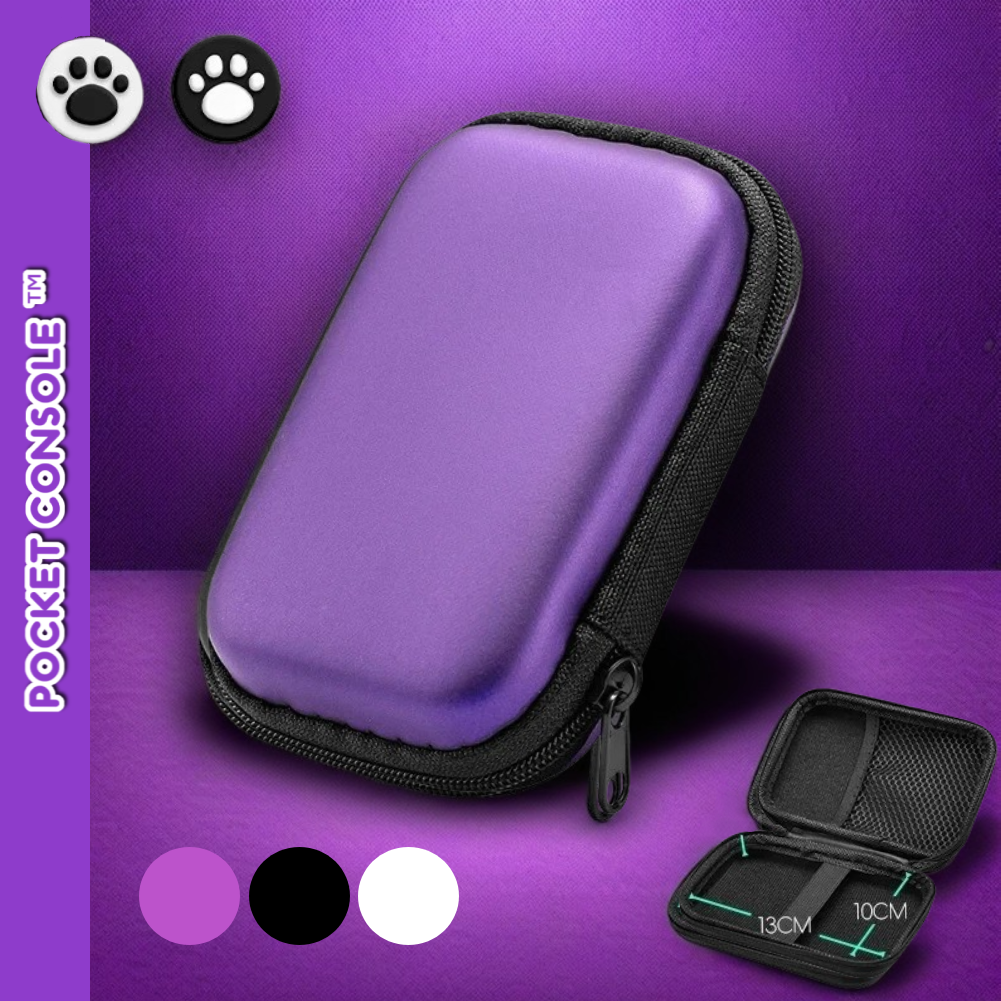
It's not the cheapest option out there, and some folks find the shoulder buttons a bit mushy, but if you have a collection of classic Game Boy games, this is arguably the most elegant way to play them. Just be aware that stock can be an issue sometimes, so you might need to keep an eye out for availability. It’s a premium device for a premium retro experience, and you can find out more about this Pocket Console V2.
3. Anbernic RG35XXSP
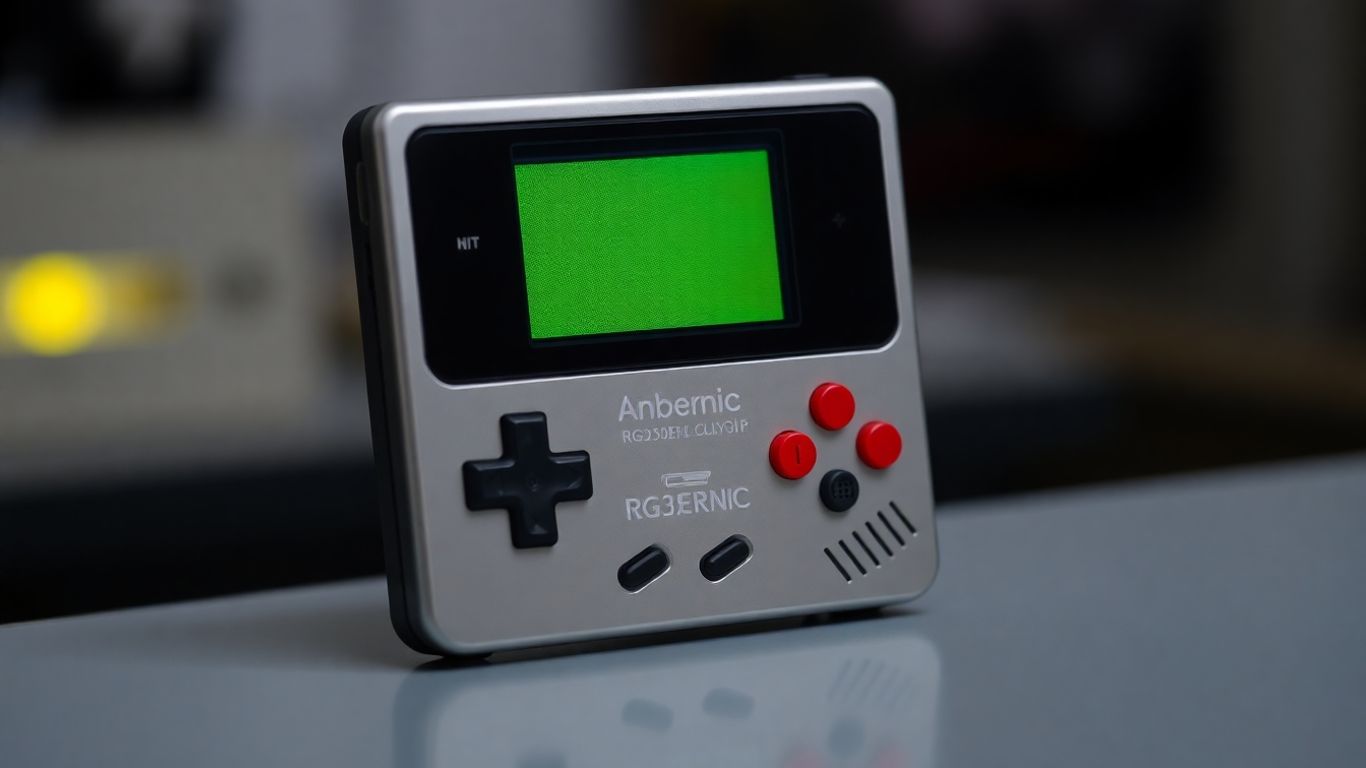
If you're looking for a handheld that really leans into the nostalgia factor, the Anbernic RG35XXSP is a strong contender. It's basically a love letter to the Game Boy Advance SP, and Anbernic really nailed the look and feel. Seriously, it's uncanny how close it gets to the original GBA SP design, right down to the button placement and even the hinge. It feels good in the hands, too, especially with that slightly larger size compared to some other tiny retro handhelds.
Under the hood, it's packing an H700 processor with 1GB of RAM, which is a pretty decent jump from older Anbernic models. This means you can comfortably play games from systems like the PlayStation 1, Game Boy Advance, and even some Dreamcast and PSP titles. It's not going to run everything perfectly, mind you, especially the more demanding PSP games, but for a lot of classic 2D stuff and even some lighter 3D titles, it holds up well.
The screen is a real highlight. It's a 3.5-inch IPS display with a 640x480 resolution, which is perfect for that classic 4:3 aspect ratio that most retro games were designed for. It's also quite bright, making it usable even when you're outside.
Here's a quick look at what it can handle:
-
PlayStation 1
-
Game Boy Advance
-
Super Nintendo Entertainment System
-
Sega Genesis
-
Neo Geo
-
Some PSP titles
-
Some Dreamcast titles
While the hardware is great for the price, the software side of things is where Anbernic usually keeps things pretty basic. The operating system is functional, and it gets the job done for launching games, but it's not the most polished experience out there. You'll likely be using RetroArch, which is powerful but can have a bit of a learning curve if you're new to emulation.
The RG35XXSP is a fantastic choice for anyone who grew up with the GBA SP or just loves that clamshell design. It offers a good balance of performance for its price point and brings a lot of classic gaming fun into a portable package. Just be prepared for a slightly less refined user interface compared to some competitors.
It's a really accessible device for people just getting into retro handhelds, and the new transparent color options are a nice touch, adding a bit of personal flair.
4. Anbernic RG28XX
Anbernic's RG28XX is a pretty neat little device, especially if you're looking for something super compact and don't want to break the bank. It came out in April 2024, and for around $40, it's a solid contender in the budget retro handheld market. This thing is tiny, seriously pocketable.
It's got a 2.8-inch screen, which is decent for older systems. Think Game Boy, Game Boy Advance, and even PlayStation 1 games look pretty good on it. The resolution is 640x480, which is a nice 4:3 aspect ratio, perfect for those classic games. It runs on a pretty capable chip that can handle a good chunk of retro consoles without too much fuss. You load your games via an SD card, and the included software usually sorts them out nicely.
Here's a quick look at what it offers:
-
Screen: 2.8-inch IPS display (640x480)
-
Emulation: Up to PlayStation 1, GBA, SNES, etc.
-
Storage: MicroSD card slot
-
Battery: Decent battery life for its size
-
Build: Compact and lightweight design
One thing to keep in mind is its size. While it's great for portability, if you have larger hands, it might feel a bit cramped during longer play sessions. Also, don't expect it to handle anything too demanding like N64 or Dreamcast smoothly; it's really best suited for systems that don't require analog sticks or intense processing power.
The RG28XX is a straightforward option for anyone dipping their toes into retro emulation. It doesn't try to be the most powerful console out there, but it nails the basics with a good screen and a very accessible price point. It's the kind of device you can just toss in your bag and pull out for a quick gaming fix.
5. Retroid Pocket Mini
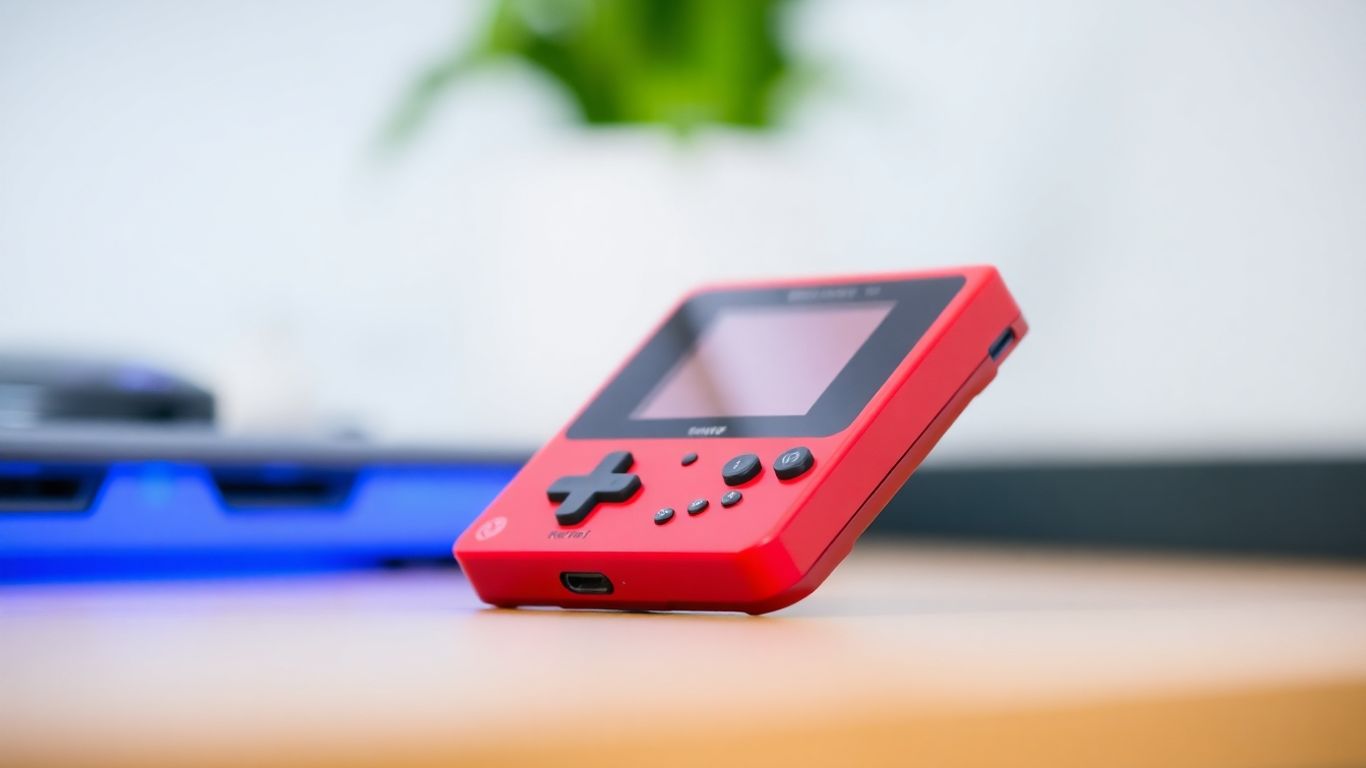
The Retroid Pocket Mini is a really interesting choice if you're all about that classic 4:3 aspect ratio for your retro games. It's built around a Snapdragon 865 chip, which is pretty beefy for a device this size, letting it handle games from systems like the PlayStation 2 and GameCube without too much fuss. It’s got this compact design, but don't let that fool you; it feels solid in the hand. The ergonomics are actually pretty good, with nice grips on the back and those modern hall effect joysticks that should last longer.
One of the standout features is its battery life. It seems to go on for ages, letting you play for a good chunk of the day on a single charge, which is something a lot of other handhelds struggle with. Running on Android makes it pretty straightforward to use, and you can easily grab emulators from the Play Store. Plus, the option to stream games from your PC or console is a nice bonus.
However, it's not all perfect. The 3.7-inch screen, while great for 4:3 content, can feel a bit small if you're pushing it with more demanding games or trying to play things that weren't originally designed for that aspect ratio. And let's talk price: it's on the higher side, especially when you consider that some larger handhelds offer similar power for the same money, but with bigger screens. It’s a bit of a trade-off between portability and screen real estate.
While it's a powerful little machine, the screen size is definitely something to consider. If you prioritize portability and the classic 4:3 look for older systems, it's a strong contender. But if you want a larger display for newer or more demanding emulation, you might want to look at other options.
Here's a quick look at some specs:
-
Chipset: Snapdragon 865
-
Display: 3.7-inch, 4:3 aspect ratio
-
Emulation Capability: Up to PS2 and GameCube
-
Operating System: Android
-
Key Features: Hall effect joysticks, good battery life, comfortable ergonomics
6. Anbernic RG Cube
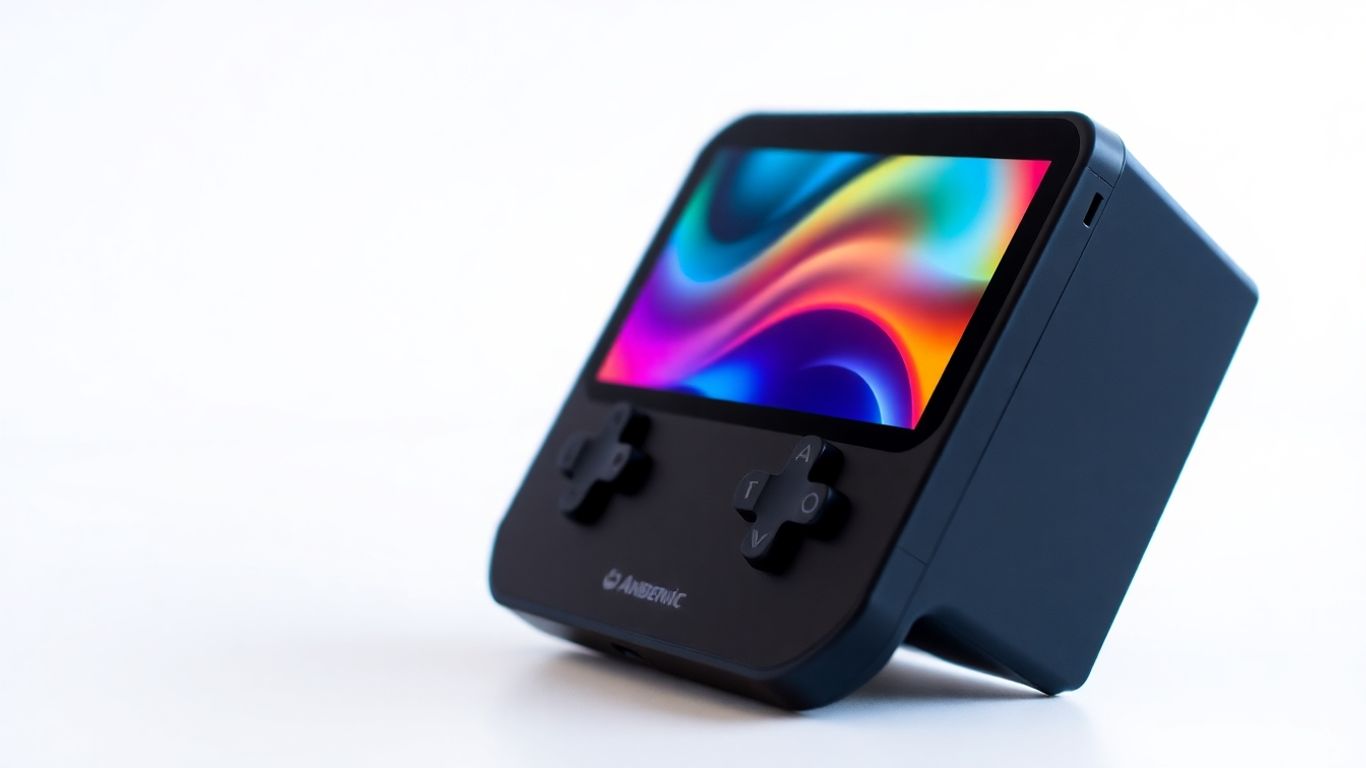
The Anbernic RG Cube is a bit of a curveball in the retro handheld scene, and honestly, that's part of its charm. Instead of just another Game Boy clone, Anbernic went with a unique 3.95-inch, 720 x 720 square touchscreen. This 1:1 aspect ratio is fantastic for gaming. For starters, some retro classics were actually designed with square pixels in mind, so they'll technically look more correct than they would even on an old CRT. The other boon is that since the RG Cube is rocking a touchscreen, fitting Nintendo DS emulators on it is a lot easier.
It feels pretty solid in the hands, too. The controllers are good, with Hall effect sticks that should last a while, and it runs Android 13, which is pretty current. It even has a little cooling fan inside, which is a nice touch for a device this size. The design is definitely a departure from the usual, with a horizontal layout that’s comfortable for longer play sessions. It’s not perfect, though; that square screen means you'll see some black bars on games made for widescreen displays, but for many retro titles, it's actually a better fit.
Performance-wise, it handles most retro systems without breaking a sweat. NES, SNES, and Sega Genesis games run perfectly. It also does a good job with PlayStation 1, PS2, and Dreamcast titles, though you might see a tiny bit of slowdown on the most demanding ones if you push the scaling too high. It’s a really versatile little machine, especially if you appreciate that unique screen.
The RG Cube's square screen might seem odd at first, but it's actually a smart choice for a lot of classic games, offering a more authentic look than stretched widescreen displays. Plus, the touchscreen makes DS emulation a breeze.
Here's a quick look at what it packs:
-
CPU: Unisoc T820
-
GPU: Mali-G57
-
RAM: 8GB LPDDR4X
-
Display: 3.95-inch IPS, 720 x 720 resolution
-
Operating System: Android 13
-
Battery: 5200mAh
7. Ayn Odin 2
The Ayn Odin 2 is a real powerhouse in the retro handheld scene, especially if you're into emulation. It runs on Android, which means you get access to a ton of apps and games, but its main draw is how well it handles emulating older systems. This device really shines when it comes to playing games from systems like the PSP, Dreamcast, and even some more demanding ones. It uses a Snapdragon 8 Gen 2 chip, which is pretty beefy, so you can expect smooth performance without having to mess with settings too much.
It's got a nice 7-inch 1080p screen that makes everything look sharp, and the overall build quality feels solid. You know, it doesn't feel cheap or flimsy. The controls are pretty good too, with Hall effect joysticks that should help avoid that annoying stick drift you sometimes get.
If you're someone who wants a premium Android handheld that can tackle a wide range of emulation without breaking a sweat, the Odin 2 is definitely worth a look. It's not the cheapest option out there, but the performance and build quality justify the price for many.
Here's a quick rundown of what makes it stand out:
-
Performance: Handles most emulation up to PS2 and GameCube with ease.
-
Display: A crisp 7-inch 1080p screen.
-
Controls: Hall effect joysticks for durability and a comfortable grip.
-
Battery Life: Generally good, letting you play for a decent amount of time.
While it's a bit pricier than some other options, the Odin 2 offers a really complete package for serious retro gamers. It’s a great device for anyone looking to build a large emulation library on a single handheld, and you can find out more about Android retro handhelds to compare.
8. Asus ROG Ally
The Asus ROG Ally continues to be a strong contender in the handheld gaming PC space for 2025, largely thanks to its potent Ryzen Z1 Extreme APU and a really nice 1080p, 120Hz display. Even with newer chips hitting the market, this Windows 11 machine often feels like a better choice than many others in its price bracket. It’s a solid option if you’re invested in multiple PC game stores, as its Windows OS means you can easily access titles from Steam, the Epic Games Store, PC Game Pass, and more without needing compatibility layers.
If you prioritize raw performance and the flexibility of a full PC operating system, the ROG Ally is definitely worth a look. It handles demanding games well, often pushing higher frame rates than its competitors, especially when using its 'Turbo' mode. The device itself feels good in the hand, weighing in slightly lighter than the Steam Deck and featuring a distinctive white shell with RGB-accented joysticks.
However, it's not without its drawbacks. The Windows 11 interface isn't always perfectly optimized for a handheld experience, and you might find yourself tweaking settings more often than with a dedicated handheld OS. Battery life can also be a concern, particularly when pushing the hardware in demanding titles.
Here’s a quick rundown of what to expect:
-
Performance: Powered by the AMD Ryzen Z1 Extreme, it offers excellent frame rates in many modern games.
-
Display: A sharp 1080p screen with a 120Hz refresh rate makes games look smooth.
-
Software: Runs Windows 11, giving you access to all PC game storefronts.
-
Controls: While generally good, some users find the thumbsticks and back buttons a bit less refined than on other devices.
While the ROG Ally X offers some notable upgrades, the original ROG Ally still provides a compelling package for those seeking a powerful Windows handheld. It’s a great way to play your PC library on the go, and you can find some good deals on it now. If you're looking for a portable gaming PC that doesn't limit you to a single storefront, this is a fantastic choice. You can check out more about portable gaming options like the Pocket Console V2 Elite to compare.
9. MSI Claw 8 AI+
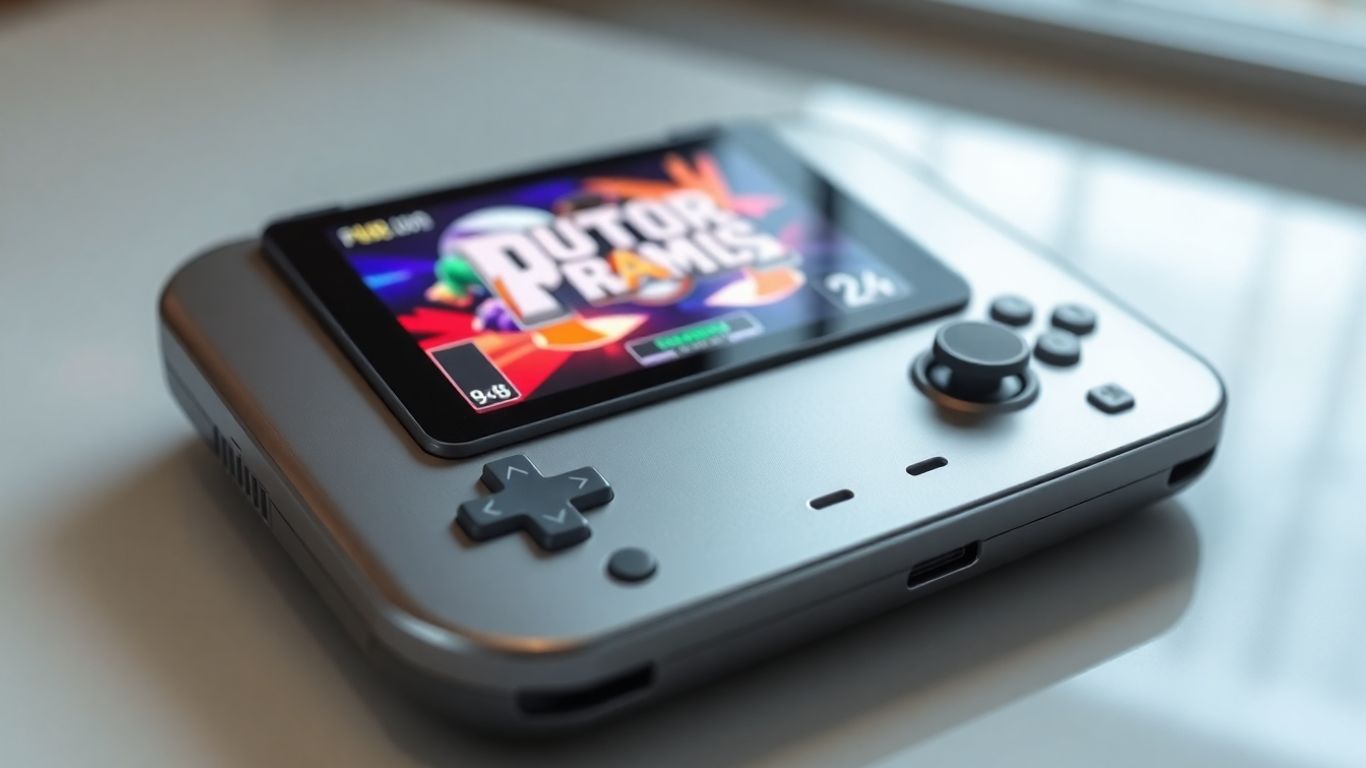
MSI really stepped up its game with the Claw 8 AI+. If you're looking for a Windows handheld that can really push the latest games, this one is a strong contender. It packs an Intel Core Ultra 7-258V chip and a hefty 32GB of RAM, which, in my testing, often gave it an edge over other popular handhelds like the ROG Ally X and Lenovo Legion Go, especially at 1080p. It’s not quite matching the absolute top-tier Ryzen 8840U options, but for the price and availability, it’s a really solid choice.
One of the biggest draws here is the 8-inch, 120Hz display. It’s bright, vibrant, and makes everything look fantastic, whether you're playing demanding PC titles or diving into some emulation. The overall design feels pretty comfortable, too, with subtle curves that make it easy to hold for longer sessions. MSI even added some nice touches like Hall effect joysticks, which should hold up better over time. Plus, having two Thunderbolt 4 ports is super handy for connecting accessories.
While it runs Windows 11, which means access to pretty much any game store you can think of, it's worth noting that Windows handhelds still have their quirks. MSI's software isn't quite as polished as some competitors, but it's functional enough to get you gaming.
Here’s a quick look at what makes it stand out:
-
Performance: The Intel chip offers impressive frame rates, often beating out competitors in its class.
-
Display: An 8-inch 120Hz panel provides a great visual experience.
-
Comfort: Ergonomic design with comfortable controls for extended play.
-
Connectivity: Dual Thunderbolt 4 ports offer great flexibility.
If you're eyeing a premium handheld gaming experience and want something readily available, the MSI Claw 8 AI+ is definitely worth considering. It’s a step up from earlier models and brings a lot to the table for gamers who want a powerful portable PC. You can find out more about the evolution of portable gaming on this page.
Pros:
-
Strong performance from the Intel chipset.
-
Large, high-refresh-rate display.
-
Comfortable ergonomics.
-
Good battery life.
Cons:
-
Can be on the pricier side.
-
Intel chipset performance can lag slightly behind top Ryzen options in some scenarios.
10. Nintendo Switch 2
It's been a long time coming, but the Nintendo Switch 2 has arrived to shake up the handheld scene yet again. This time, it's sticking to the same format as the OG, but Nintendo has supercharged its latest portable with a larger screen, 4K capabilities when docked, and heaps of social features for multiplayer sessions. The main reason to buy a Switch 2 is to play new Nintendo games, and no other device can (legally) offer that.
It's a significant upgrade over its predecessor, with dramatically improved performance, a sharper, faster, and bigger 7.9-inch display, magnetic Joy-Con controllers, and more storage. It’s a more polished take on the Switch 1’s ideas. The new Nvidia chipset allows the console to reliably pull off 4K 60fps gameplay in docked mode and rival even portable PCs in handheld mode with 1080p 120Hz visuals. Developers can tune games like Cyberpunk 2077 to run respectably well on the hardware, and Nintendo has even revisited favorites like Zelda: Breath of the Wild and Tears of the Kingdom to add performance boosts using the new tech.
Here's a quick look at what makes it stand out:
-
Exclusive Games: Nintendo's library is a huge draw. You'll get access to new adventures like Mario Kart World and Donkey Kong Bananza, plus it's backwards compatible with most original Switch games.
-
Hybrid Functionality: It works as a handheld with 1080p 120Hz visuals and HDR support, and can ramp up to 4K when connected to the dock.
-
Improved Controls: Features new detachable Joy-Con controllers that are larger for added comfort, and they attach magnetically.
-
Social Features: Includes the ability to connect webcams and chat with friends using GameChat, pushing its social abilities.
While it's a fantastic piece of hardware, it's worth remembering that Nintendo games are generally more expensive than their PC equivalents. If you've got a massive Steam backlog and aren't particularly interested in Nintendo franchises, something like a Steam Deck might be a better fit. However, if you're looking for that unique Nintendo experience with a serious performance boost, the Switch 2 is definitely worth considering.
The next Nintendo Switch is a hot topic! Many gamers are excited about what Nintendo will bring next. Will it be more powerful? Will it have new features? We're all waiting to find out. For the latest news and updates on the Switch 2, be sure to check out our website!
Wrapping It Up
So, there you have it. Picking the right retro handheld in 2025 really comes down to what you want to play and how you like to play it. Whether you're all about those original cartridges, want a pocket PC for all your emulation needs, or just fancy a simple way to revisit some old favorites, there's definitely something out there for you. It's a great time to be a fan of classic games on the go. Happy gaming!
Frequently Asked Questions
What exactly is emulation and how does it work on these handhelds?
Emulation is like making a new device pretend to be an old game system. These handhelds use special software, called emulators, that act like the original Game Boy or PlayStation. This lets you play games from those old systems on your new device. Many of these handhelds are built for this, using game files called ROMs, which are like digital copies of the games.
Are these retro handhelds legal to use?
Using these devices to play games is a bit of a gray area. While the hardware is legal, getting game files (ROMs) can be tricky. It's generally best to only use ROMs from games you already own and have backed up yourself. We don't recommend getting games illegally.
What's the difference between a retro handheld and a portable gaming PC?
Think of retro handhelds as specialized devices for playing older games. Portable gaming PCs, like the Steam Deck or ROG Ally, are like mini computers. They can play modern PC games, run emulators, and do pretty much anything a laptop can, just in a smaller package.
Can I play modern games on these retro handhelds?
Some of the more powerful handhelds, especially the portable PC types, can play newer games. However, most retro handhelds are designed mainly for older games from systems like the Game Boy, PlayStation 1, or Nintendo 64. They might struggle with very new or demanding games.
What does 'FPGA' mean in relation to handhelds like the Analogue Pocket?
FPGA stands for Field-Programmable Gate Array. It's a special type of chip that can be programmed to act like the original hardware of old game consoles. This means devices using FPGA can often play games with incredible accuracy, very close to how the original systems did.
Are there any downsides to using these devices?
Yes, there can be. Some devices might have a learning curve, especially if they run on Linux or Android and require you to set up emulators yourself. Also, the legality of game ROMs is something to be aware of. Some smaller devices might also have less powerful screens or controls that take some getting used to.
What should I look for when buying a retro handheld?
Consider what kind of games you want to play. If you love Game Boy games, something like the Analogue Pocket is great. If you want to play a wider range of older systems, a more powerful Android or PC-based handheld might be better. Also, think about screen size, battery life, and how easy it is to use.
Will new retro handhelds be released soon?
The handheld market is always changing! New devices with better chips and features are often on the way. It's a good idea to keep an eye on tech news to see what's coming, especially if you're looking for the latest and greatest.