
-(6).jpeg?w=1001&h=1001)
.jpeg?w=1001&h=1001)
.jpeg?w=1001&h=1001)
.jpeg?w=1001&h=1001)
.jpeg?w=1001&h=1001)
-(1).jpeg?w=1001&h=1001)
Thinking about the old days of gaming, it’s pretty wild to see how far we’ve come. Remember blowing into cartridges or waiting ages for a game to load? Times have changed, but some consoles really stuck with us. We’re talking about the big hitters, the systems that sold like crazy and became household names. This article dives into the top selling consoles of all time, looking at what made them so popular and how they stack up against each other. It’s a look back at the machines that defined gaming for millions.
Key Takeaways
-
The PlayStation 2 is still the king of console sales, a true legend in the gaming world.
-
Nintendo has a strong showing, with the DS and Switch both landing in the top spots, showing their knack for making popular systems.
-
Innovation, like the Switch's hybrid design and the PS2's DVD player, really helped these consoles sell a ton.
-
Exclusive games are a huge deal; systems with great game libraries tend to do much better.
-
Even newer consoles like the PS5 and Xbox Series X|S are making moves, but they have a long way to go to catch up to the all-time greats.
1. PlayStation 2
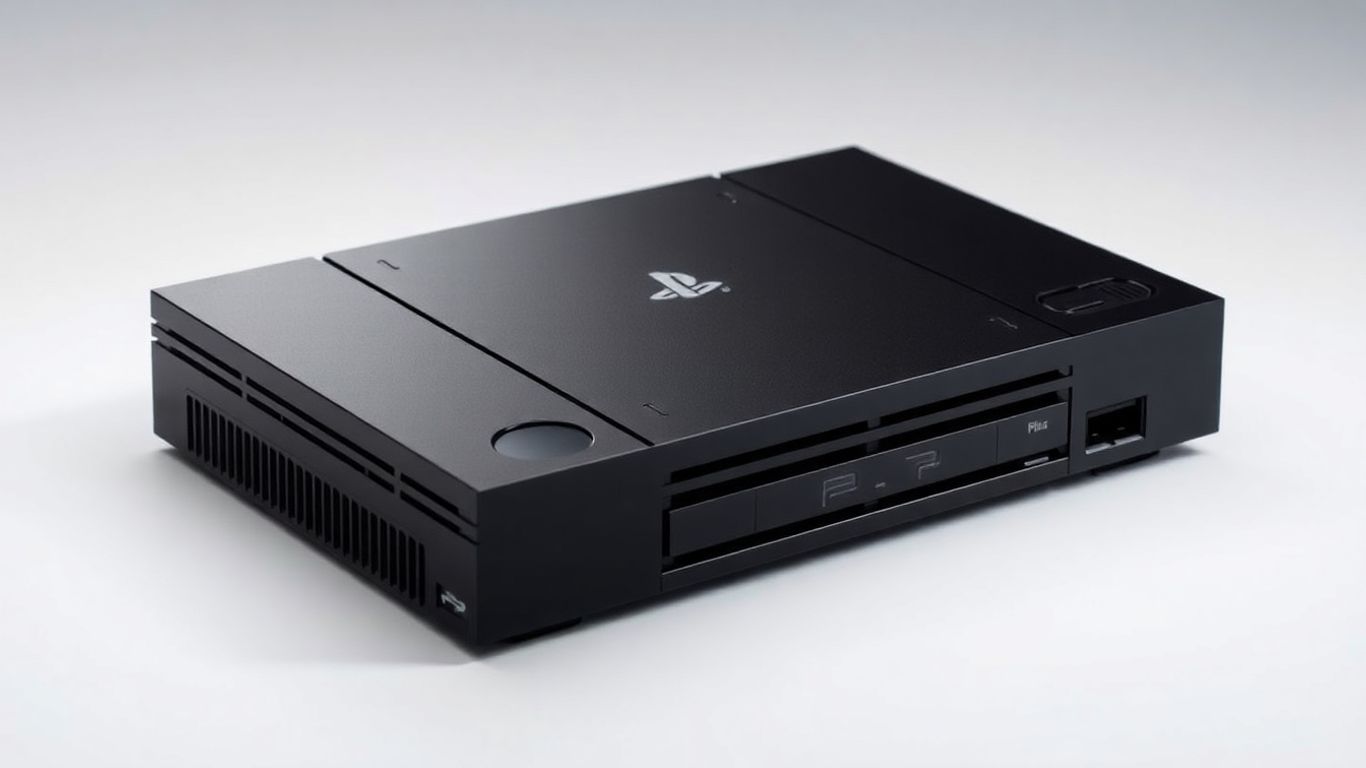
It’s hard to overstate just how massive the PlayStation 2 was. Released in 2000, this console absolutely dominated the market for years. It sold an incredible number of units, making it the best-selling console of all time.
What made it so popular? Well, a few things. For starters, it played DVDs, which was a pretty big deal back when standalone DVD players were still quite expensive. Plus, it had a truly enormous game library. We're talking thousands of titles, covering every genre imaginable. From action-adventure games like Grand Theft Auto III and Kingdom Hearts to sports titles and RPGs, there was something for everyone. The console was also known for being relatively easy for developers to work with, which led to a constant stream of new games.
Here’s a look at some of its key strengths:
-
Massive Game Library: Over 3,800 games were released for the PS2, offering unparalleled variety.
-
DVD Playback: A significant feature that added value beyond gaming.
-
Backward Compatibility: It could play most original PlayStation games.
-
Strong Third-Party Support: Many developers flocked to the platform.
The PS2 wasn't just a gaming machine; it was a multimedia hub that brought gaming to a wider audience. Its success set a new standard for console generations to come.
Many people still have fond memories of their time with the PS2, and its legacy is undeniable. If you're looking to revisit some classics, you can often find great deals on older consoles and games, though finding a working unit might require some searching on sites like PocketConsole.com.
PlayStation 2 Sales:
|
Metric |
Figure |
|---|---|
|
Total Units Sold |
~158 Million |
|
Release Year |
2000 |
|
Key Feature |
DVD Playback |
2. Nintendo DS
The Nintendo DS really shook things up when it came out, didn't it? It wasn't just another handheld; it had that unique dual-screen setup and a touchscreen that felt pretty futuristic back then. This console sold an incredible number of units, making it one of the best-selling gaming devices ever.
It was a hit with pretty much everyone, from hardcore gamers to folks who just wanted something simple to play on the bus. Nintendo managed to pack in a huge variety of games, too. You had your big Nintendo franchises like Mario and Zelda, but also tons of puzzle games, unique RPGs, and even some surprisingly good educational titles.
Here's a look at some of its key features:
-
Dual Screens: The top screen was for visuals, and the bottom was your interactive playground with the touchscreen.
-
Touchscreen Input: Allowed for new ways to play games, from drawing to tapping.
-
Backward Compatibility: Could play Game Boy Advance cartridges, which was a nice bonus.
-
Wi-Fi Connectivity: Enabled online multiplayer and downloads for certain games.
The DS library is often praised for its sheer breadth and quality. It felt like there was always something new and interesting to discover, whether it was a polished first-party title or a quirky indie gem.
It's easy to see why so many people picked one up. It was a versatile little machine that offered a lot of fun for a long time.
3. Nintendo Switch
.jpeg?w=1366&h=768)
Nintendo really turned things around with the Switch, didn't they? After the Wii U didn't quite hit the mark, a lot of people were wondering what Nintendo would do next. Then, bam! They announced the Switch, and it was this wild idea of a console you could play on your TV or just pick up and take with you. It felt pretty revolutionary.
The hybrid nature of the Switch is what really made it stand out. You could be playing a big adventure game on your TV, then just slide the console out of the dock and keep playing on the go. It was a game-changer for how and where we play.
When it first came out, games like The Legend of Zelda: Breath of the Wild and Super Mario Odyssey were huge draws. Seriously, a lot of folks bought a Switch just to play Zelda. It showed that Nintendo knew how to pack in the must-have titles.
Here's a quick look at some of its specs:
|
Feature |
Detail |
|---|---|
|
Release Year |
2017 |
|
Dimensions |
13.7 x 7.8 x 3.66 inches |
|
Weight |
2.65 pounds |
|
Battery Type |
1 Lithium Polymer battery |
It's pretty amazing how well it's done, considering how tough the handheld market has gotten with smartphones and tablets. Nintendo managed to create something that felt fresh and exciting, and it's clear a lot of people agreed. It's a testament to their ability to innovate and create unique gaming experiences that people want to take with them everywhere.
4. Game Boy / Color
Man, the Game Boy and its colorful successor, the Game Boy Color, really hold a special place in gaming history. It’s kind of wild to think about how this little gray brick, and then its slightly-more-colorful sibling, basically defined portable gaming for a generation. They weren't just toys; they were gateways to entire worlds you could carry around in your pocket.
When the Game Boy first dropped, it was a game-changer. Suddenly, you could play Tetris on the bus, or take Pokémon Red with you everywhere. Then came the Game Boy Color, which, while not a completely new system, added that splash of color that made games pop. It was a smart move, letting people play their old Game Boy cartridges while also offering a few exclusive titles that really showed off the new capabilities. It’s a bit tricky to separate them sometimes, as many games were playable on both, but the GBC definitely brought a new visual flair.
It's pretty amazing how many people still have fond memories of these devices. They might seem basic now, but back then, they were cutting-edge for handhelds. The battery life was legendary, and the screens, while not backlit, were perfectly readable in most conditions. Plus, the sheer number of iconic games released for these systems is staggering.
Here's a quick look at why they were so popular:
-
Portability: The ability to play anywhere was the main draw.
-
Durability: These things could take a beating and keep on ticking.
-
Game Library: From Super Mario Land to Pokémon Gold and Silver, the games were top-notch.
-
Affordability: Compared to home consoles, they were much more accessible.
It's hard to overstate the impact these devices had on the gaming landscape. They paved the way for all the handhelds that followed, including the DS and eventually the Switch, showing that gaming on the go was not just possible, but incredibly popular. You can still find people who prefer the simple, focused experience these consoles offered, a testament to their enduring appeal. It’s a big part of why portable gaming is so huge today, and you can see that legacy in modern devices like the Nintendo Switch.
The Game Boy and Game Boy Color weren't just consoles; they were cultural phenomena that brought gaming to the masses in a way never seen before. Their simple yet effective design, coupled with an incredible library of games, cemented their place as all-time greats.
5. PlayStation 4
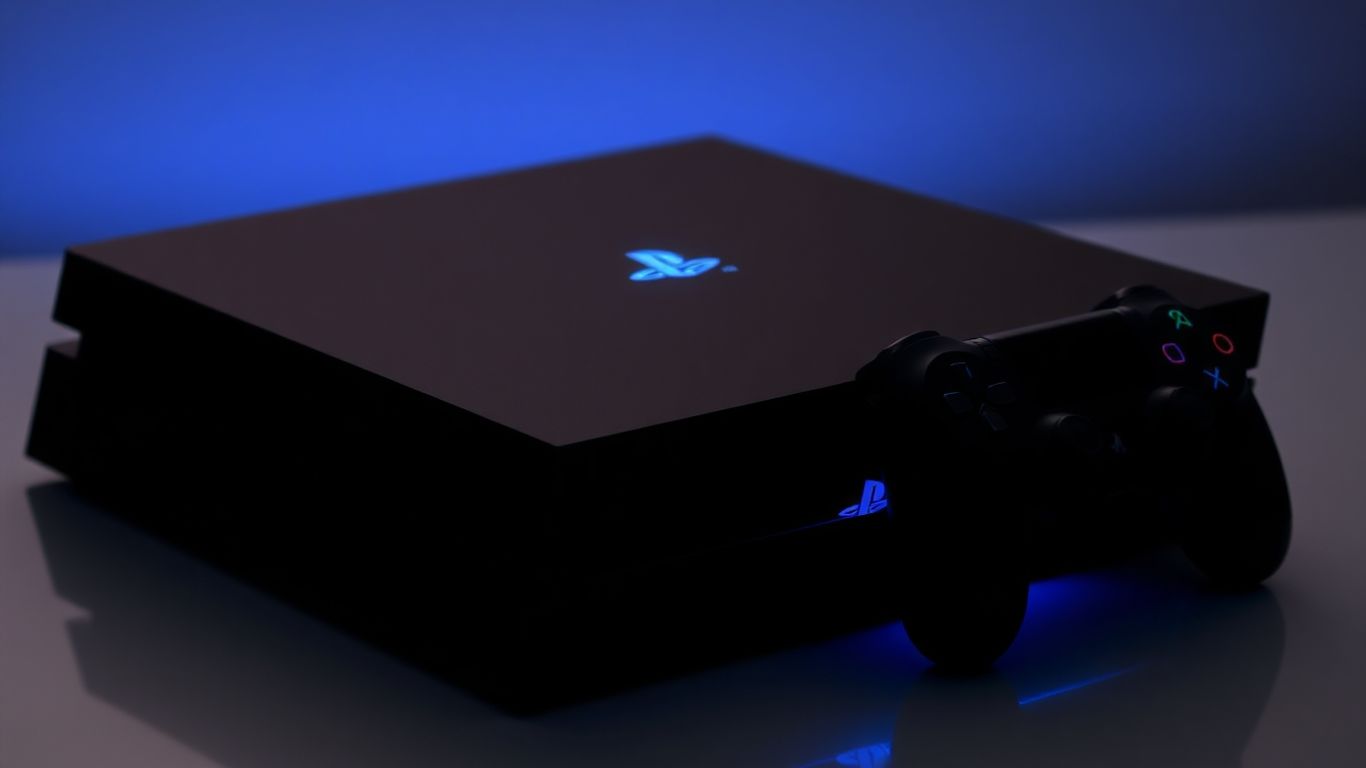
After the PlayStation 3 had a rough start, Sony really learned some lessons. They came back strong with the PlayStation 4, which launched in 2013. This console became a massive hit, putting Sony in a great spot for the future. It wasn't just about the games, though they had some killer exclusives like The Last of Us Part II and God of War. Sony also focused on new features for the console and its online services, making it a really appealing package.
Here's a quick look at some key aspects:
-
Strong Exclusive Games: Titles like Marvel's Spider-Man, Horizon Zero Dawn, and Bloodborne were huge draws.
-
DualShock 4 Controller: Introduced a touchpad and a share button, which changed how players interacted with games and each other.
-
PlayStation Network: Continued to grow as a robust online service for multiplayer and digital game purchases.
-
PlayStation VR: While not a system seller for everyone, it offered a new way to experience games.
The PS4 really hit its stride by focusing on what players wanted: great games and a solid online experience. It felt like a console built by gamers, for gamers, and that connection really paid off.
It's easy to see why the PS4 sold so well. It offered a fantastic library of games and a polished experience that kept players coming back for more.
6. PlayStation 5
Sony's PlayStation 5, hitting the market in late 2020, has quickly become a powerhouse in the gaming world. Despite initial struggles with availability, which felt like a never-ending quest for many gamers, the PS5 has managed to carve out a significant spot on this all-time sales list. It's a testament to Sony's ability to deliver compelling hardware and exclusive games.
When it launched, it came with some pretty impressive tech specs, boasting graphics that really pushed the envelope. Games like Spider-Man: Miles Morales and God of War Ragnarök were early showcases of what the console could do, and they really set it apart. Even with the Xbox Series X launching around the same time, the PS5 has generally had the edge when it comes to those must-play exclusive titles.
It's still relatively early in the PS5's life cycle, but its sales trajectory is already strong. Sony officially passed the 25 million unit mark, and with more consistent availability now, it's expected to climb even higher. The scarcity issue seems to be easing up, which is great news for anyone still looking to snag one.
|
Console |
Manufacturer |
Units Sold (Millions) |
Release Year |
|---|---|---|---|
|
PlayStation 5 |
Sony |
61.7 |
2020 |
The PS5's success is really built on a foundation of strong exclusive games and cutting-edge technology. While supply chain issues were a headache for a while, the demand clearly shows people want this console.
7. Xbox Series X|S
Microsoft really learned from the Xbox One reveal, which, let's be honest, was a bit of a mess. The Xbox Series X and Series S, launched in November 2020, had a much more focused presentation. It was all about the games, which felt like a breath of fresh air after the previous generation's focus on being an all-in-one entertainment box. This dual-console approach, offering both a powerful Series X and a more affordable Series S, was a smart move.
It's a bit early to definitively place the Series X|S in the all-time sales charts, as they're still relatively new. However, they've made a strong start. They're praised for their backward compatibility, meaning you can play a lot of older Xbox games, and Xbox Game Pass is a huge draw with its massive library.
Here's a quick look at some key aspects:
-
Performance: The Series X is a powerhouse, capable of impressive frame rates and resolutions.
-
Accessibility: The Series S offers a more budget-friendly entry point into next-gen gaming.
-
Ecosystem: Xbox Game Pass continues to be a major selling point, offering a subscription service with a vast selection of games.
While the PlayStation 5 has often had the edge in terms of exclusive titles so far, the Xbox Series X|S are strong contenders. Their continued growth and the ongoing development of their game library will be interesting to watch as they climb these sales rankings. You can find out more about the latest handheld gaming tech at Pocket Console V2 Elite.
It's definitely a system worth considering if you're looking for a modern gaming experience.
8. Nintendo Wii
The Nintendo Wii, released back in 2006, really shook things up in the gaming world. It wasn't about raw power or fancy graphics; it was about getting everyone involved. This console made gaming accessible to a whole new audience, from kids to grandparents, thanks to its innovative motion controls and simple interface. Think about Wii Sports – it became a cultural phenomenon, bringing families together for some virtual bowling or tennis.
While some might look back and say the motion controls were a bit gimmicky, you can't deny the Wii's impact. It sold incredibly well, proving that fun and accessibility could trump high-end specs. It had a solid lineup of games, too, including some fantastic Mario titles and unique experiences you couldn't find anywhere else. It was a console that really encouraged social play, whether you were playing with people in the same room or connecting online.
Here's a quick look at some of its sales figures:
|
Region |
Units Sold (Millions) |
|---|---|
|
Japan |
20.5 |
|
Americas |
45.6 |
|
Europe |
37.1 |
|
Other |
12.1 |
|
Total |
115.3 |
It was a console that truly broadened the definition of who a gamer could be. Even if its unique approach wasn't for everyone, its place in gaming history is undeniable. If you're looking for a console that brought people together, the Wii definitely fits the bill. You can still find some great deals on these if you're interested in reliving the magic or experiencing it for the first time, perhaps alongside a modern handheld like the Pocket Console V2.
The Wii's success wasn't just about selling hardware; it was about changing how people thought about video games. It proved that a console didn't need to be the most powerful to be the most popular, focusing instead on intuitive gameplay that anyone could pick up and enjoy.
9. PlayStation 3
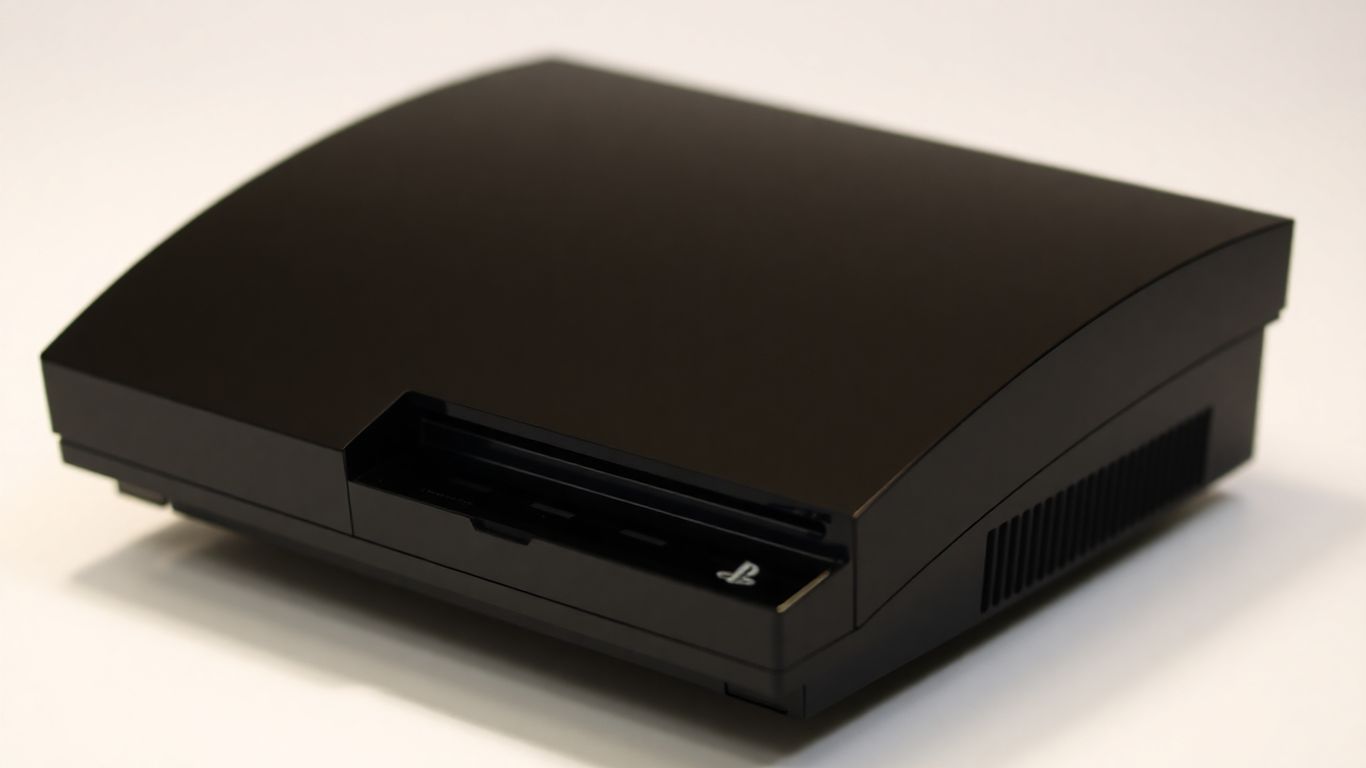
Sony's third home console, the PlayStation 3, hit the scene in late 2006. It was a bit of a powerhouse, packing in a Cell Broadband Engine processor that was pretty cutting-edge for its time. This machine was all about high-definition gaming and Blu-ray playback, which was a big deal back then.
It definitely had a strong lineup of games, with exclusives like Uncharted, The Last of Us, and Metal Gear Solid 4: Guns of the Patriots really showing off what the PS3 could do. Plus, it was the first PlayStation to really push online gaming with the PlayStation Network, making multiplayer a much bigger part of the experience.
However, the PS3 had a bit of a rough start. The initial price point was pretty high, which made it tough for some people to jump in.
The console's early days were marked by a steep learning curve for developers and a higher cost of entry for consumers, which initially put it behind its main competitor in sales.
Despite the initial hurdles, the PlayStation 3 eventually found its footing and became a really solid contender in the seventh generation of consoles. It sold well over 80 million units worldwide, cementing its place as a significant player in gaming history.
10. Xbox 360
Microsoft's Xbox 360 really hit its stride, becoming a major player in the seventh generation of consoles. It was a big step up from the original Xbox, bringing a lot of new features and a solid library of games that kept people hooked for years. The console was a huge success, selling over 84 million units worldwide.
It really set the stage for online gaming as we know it. Xbox Live was a big deal, making it easy to play with friends and strangers alike. Plus, it had some killer exclusive titles that people still talk about today, like the Gears of War series and Halo 3.
Here's a quick look at some of its strengths:
-
Robust Online Services: Xbox Live offered a smooth online experience for multiplayer gaming and digital downloads.
-
Strong Exclusive Games: Titles like Forza Motorsport and BioShock (though later multiplatform) were major draws.
-
Multimedia Hub: It wasn't just for games; it could also stream movies and music, making it a central entertainment device.
The Xbox 360's launch was pretty memorable, with a big reveal event that felt more like a concert than a tech demo. It really captured the vibe of the early 2000s and showed Microsoft was serious about competing in the console space. It was a console that many people remember fondly for its gaming and its online community, even if it had a few hardware issues early on.
While it faced some competition, the Xbox 360 carved out a significant place in gaming history. It was a console that many people remember fondly for its gaming and its online community, and it definitely influenced how we play games today. If you're looking to explore some older titles, you might even find some great deals on used consoles or games, similar to how people explore retro gaming on modern handhelds like the Anbernic RG556.
The Xbox 360 was a big deal in gaming. It brought lots of cool new games and ways to play with friends. Many people still remember playing on this console. If you're interested in retro gaming or want to learn more about the Xbox 360's history, check out our website for details!
More Than Just Numbers
So, there you have it. While the PlayStation 2 still holds the top spot for now, it's clear that each console on this list did more than just sell units. They created memories, shaped gaming for years, and became part of our lives. Whether you're dusting off an old Game Boy or eagerly awaiting the next big thing, you're part of this ongoing story. It's pretty cool to think about how these machines brought so many people together, isn't it? These aren't just sales figures; they're milestones in entertainment history.
Frequently Asked Questions
What is the best-selling video game console ever?
The PlayStation 2 is currently the top-selling console of all time. It sold a massive amount of units, making it a true legend in the gaming world.
How close is the Nintendo Switch to becoming the best-seller?
The Nintendo Switch is doing incredibly well and is very close to the top spot. It's expected to become the best-selling console in the near future, possibly by late 2025.
Why are older consoles like the PlayStation 2 still so popular?
Older consoles like the PS2 are popular because they offered a lot for their time, like DVD playback and a huge variety of games. Many people also have strong, happy memories associated with playing them.
What makes a console sell so many units?
Several things help a console become a big seller. This includes having cool new technology, offering exclusive games that people can't play anywhere else, and appealing to a wide range of people, not just hardcore gamers.
Is the PlayStation 5 likely to become one of the top consoles?
Yes, the PlayStation 5 is selling very well and has a good chance of climbing the ranks. It has strong games and new versions coming out, which should help it sell even more units.
How important are the games themselves to a console's success?
Games are super important! A console is only as good as the games you can play on it. Having lots of great games, especially ones that are only available on that specific console, makes a huge difference.
What does 'software attach rate' mean?
The 'software attach rate' tells you how many games, on average, each person buys for a console. A higher number means people are buying more games for that system, which is a good sign of its popularity and the quality of its games.
Are retro consoles still valuable to collectors?
Absolutely! There's a big trend of people collecting older consoles and games. Nostalgia plays a big part, and people love to display these classic pieces of gaming history.